Summer in Nebraska brings plenty of reasons to be outside. Backyard barbecues, baseball games, county fairs, evenings on the patio, and time spent with family and friends are all part of the season.
Unfortunately, so are mosquitoes.
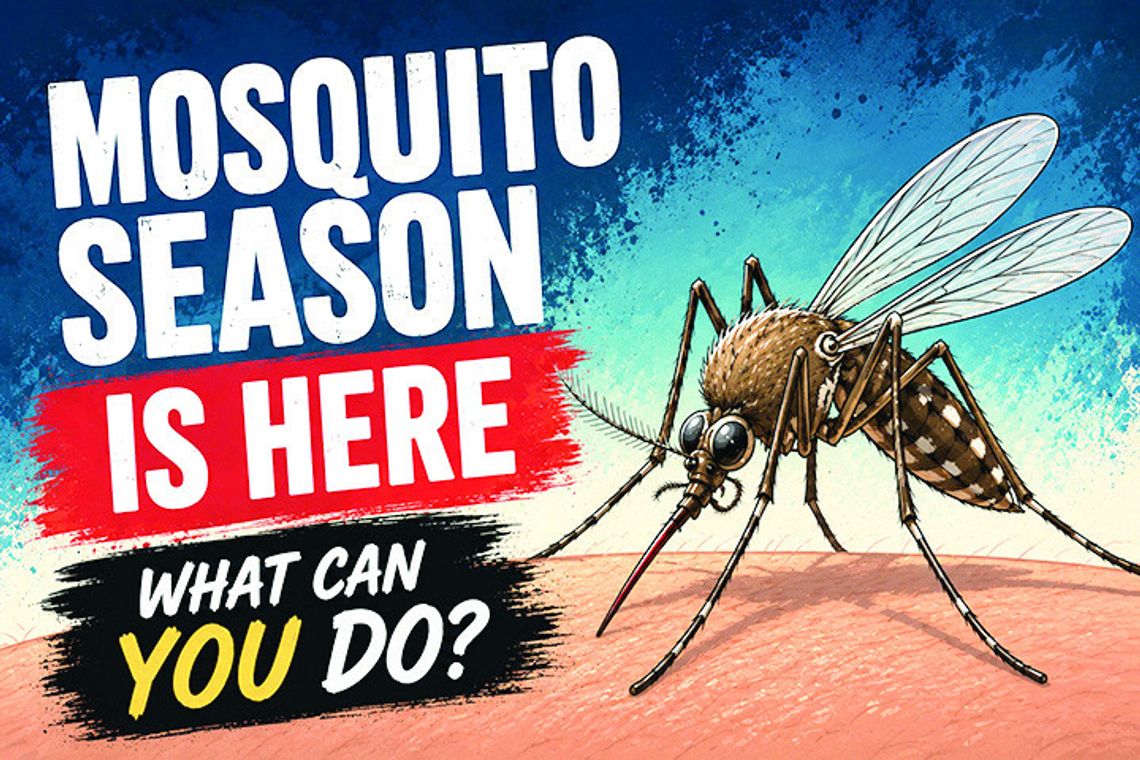
For most people, mosquito bites are more annoying than dangerous, but that doesn’t make them any less unwelcome. Researchers have spent decades studying mosquitoes, what attracts them, and what methods may help reduce the chances of being bitten.
According to the Centers for Disease Control and Prevention (CDC), one of the most effective tools is the use of EPA-registered insect repellents. Products containing ingredients such as DEET, picaridin, IR3535, oil of lemon eucalyptus, and para-menthane-diol (PMD) are among those most often recommended by public health experts.
Mosquito control starts before the insects ever begin buzzing around the backyard. Female mosquitoes lay their eggs in standing water, and surprisingly small amounts can do the job. Bird baths, flower pots, buckets, clogged gutters, pet dishes, children’s toys, and old tires can all become breeding grounds.
Because mosquito larvae develop quickly during warm weather, experts recommend regularly emptying or refreshing standing water around homes and businesses.
Another surprisingly simple tool may already be sitting on the patio: a fan. Research has shown that mosquitoes are weak fliers, and moving air can make it more difficult for them to reach people. The airflow can also disperse some of the scents and carbon dioxide mosquitoes use to locate a meal.
Not every commonly suggested remedy is backed by science. Studies have found little evidence that eating garlic, taking vitamin B supplements, or using ultrasonic mosquito-repelling devices significantly reduces mosquito bites. Bug zappers may kill plenty of insects, but researchers have found they generally do little to reduce mosquito populations.
Even with the best prevention efforts, most people will collect a few mosquito bites over the course of the summer. The itching comes from the body’s reaction to proteins in mosquito saliva, which can cause redness, swelling, and irritation.
Health experts recommend avoiding scratching when possible, as it can further irritate the skin and increase the risk of infection. Cold compresses, over-the-counter hydrocortisone creams, and certain antihistamines may help relieve itching. Some research has also suggested that gentle heat may temporarily interrupt itch signals, though experts caution against using temperatures hot enough to burn the skin.
Most bites heal on their own within a few days. However, anyone experiencing difficulty breathing, widespread hives, fever, unusual swelling, or signs of infection should seek medical attention.
As mosquito season settles in across Clay County, experts say the best defense remains a practical one: eliminate standing water where possible, use a proven insect repellent when spending time outdoors, and treat bites promptly when they occur.
Mosquitoes may be one of the less popular signs of summer, but a few simple steps can help make those Nebraska evenings outside a little more enjoyable.