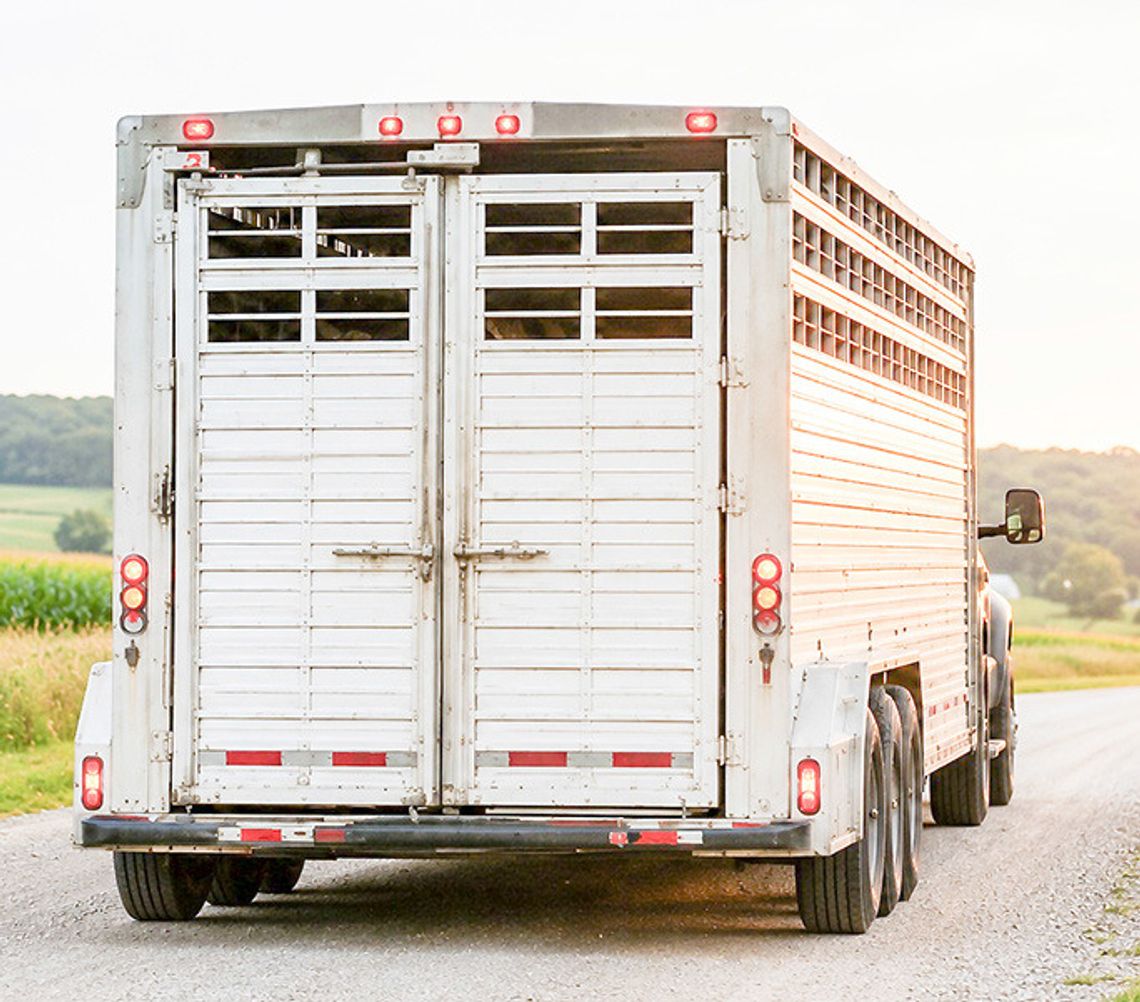
The livestock trailers have headed home. The last ribbons have been awarded. Exhibits have been carefully packed away, barns have grown quiet and another Clay County Fair has become part of the county’s history.
Each summer, the fairgrounds become a gathering place unlike any other. Friends catch up with neighbors they haven’t seen in months. Children proudly show projects they’ve worked on all year. Families cheer from the grandstands, stroll through the exhibit buildings and celebrate accomplishments both big and small.
Then, almost as quickly as it arrived, another fair comes to an end.
But while this year’s fair is now a memory, the tradition itself continues. In fact, it stretches back more than 150 years to a time when Clay County was little more than a young prairie settlement and the people who called it home were still working to build a future.
The earliest surviving historical records show the Clay County Agricultural Society was organized on April 15, 1872, at the courthouse in Sutton. Albert K. Marsh was elected president, and J. M. Ramsey was chosen secretary. The organization was formed less than a year after Clay County itself was officially organized, reflecting the importance agriculture already held in the lives of the county’s earliest settlers.
Life in Clay County looked very different in 1872. Many families had only recently arrived. They were breaking the prairie for farmland, planting crops, drilling wells and building homes while establishing the communities that still exist today. Every successful harvest represented months of hard work, uncertainty and determination. Raising healthy livestock required skill, patience and perseverance.
In many ways, the Agricultural Society represented optimism.
Rather than simply working in isolation on their own farms, settlers chose to come together to learn from one another, encourage improvements in agriculture and celebrate what they had accomplished. The annual fair became an opportunity to share livestock, crops and other agricultural achievements while strengthening the growing community.
Those first fairs would have looked much different from the Clay County Fair visitors know today. While today’s fair features livestock shows, Open Class exhibits, 4-H and FFA competitions, grandstand entertainment and activities for visitors of all ages, the earliest fairs centered almost entirely on agriculture, livestock and the accomplishments of local settlers.
According to the 1882 History of Nebraska, annual fairs were held in Sutton from the society’s founding until 1881, when the exhibition moved to Clay Center after the county seat was relocated there.
By 1882, the fairgrounds in Clay Center occupied 40 acres owned by a local stock company of approximately 50 citizens. A Floral Hall provided space for exhibits, and despite the hardships brought by the devastating grasshopper years, the Agricultural Society continued holding annual fairs and paying premiums to exhibitors.
As Clay County grew, so did its fair.
New generations brought new ideas, new competitions and new traditions. Youth organizations eventually became a central part of the fair, giving young people opportunities to develop skills, exhibit projects and gain confidence through friendly competition. Open Class exhibits invited community members of all ages to share their talents, while entertainment and grandstand events created new reasons for families to gather each summer.
Although the fair has changed dramatically over the decades, its purpose remains remarkably familiar.
It is still a place where months of preparation lead to a few days of celebration. It is still a place where hard work is recognized, accomplishments are shared and neighbors come together to support one another. It is still a place where lifelong memories are made.
Perhaps that’s why the Clay County Fair has endured for more than a century and a half.
Every blue ribbon awarded this year represents hours of dedication. Every exhibit tells a story. Every handshake between neighbors continues a tradition that began when Clay County’s earliest settlers believed their growing community was worth celebrating.
The fairgrounds may be quiet again for another year, but the tradition lives on. As one fair comes to an end, it becomes another chapter in a story that began in Sutton in 1872 and continues to connect generations of Clay County residents today.
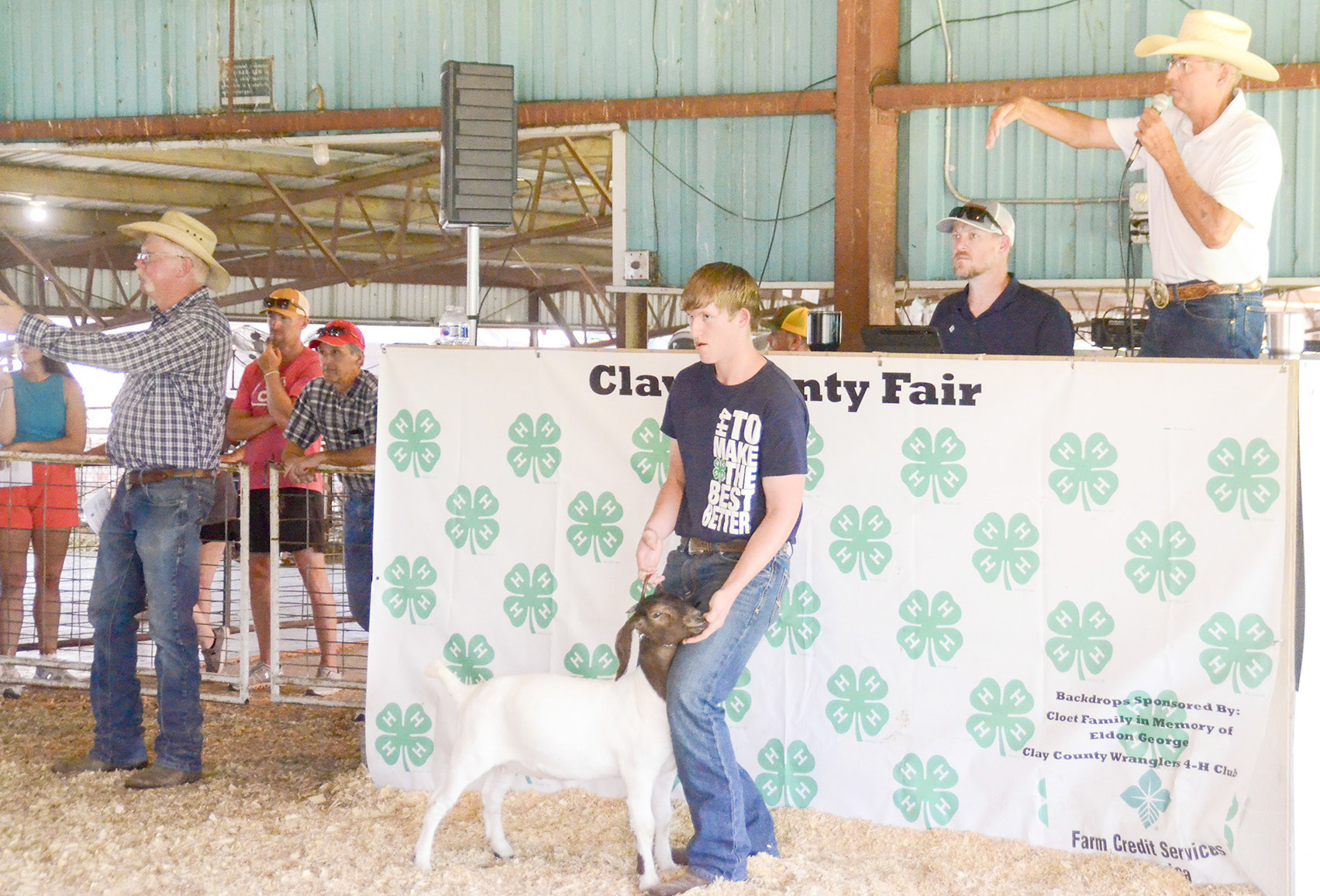
Auctioneer Bruce McDowell, shown at the far right calls out for bids on Owen Smiley’s meat goat during the 2026 Clay County Fair Livestock Auction held Saturday, July 11 in Clay Center. Chris Moore works as one of the ring men during one of the final events of the Fair. MELISSA WHITEFOOT | CLAY COUNTY NEWS